A bolt heater warms the bolt from inside an axial bore so the bolt length increases, allowing the nut to be run down before the bolt cools and develops clamp load. By the end, you will know how to sequence the work, specify the heater and electrical supply, measure temperature, and decide when another tensioning method is safer.
Key takeaways
- Isolate equipment before fitting the bolt heater.
- Measure bolt elongation, not temperature alone.
- Set controls from the approved bolting procedure.
- Specify clearances, power supply and inspection steps in the work pack.
What happens during a bolt-heater operation?
The bolt heater working process starts with equipment isolation and ends only after the restrained bolt has cooled and the joint has been inspected. Bolt heaters for maintenance follow the equipment owner’s bolting procedure, not a generic torque chart.
1. Confirm the isolation, bolting procedure, allowable temperature, target load or elongation, tightening order and nut-running method. Clean the axial bore, remove scale and debris, and inspect it for damage or obstruction.
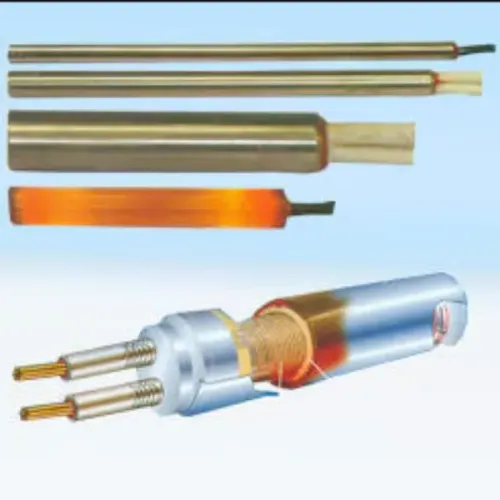
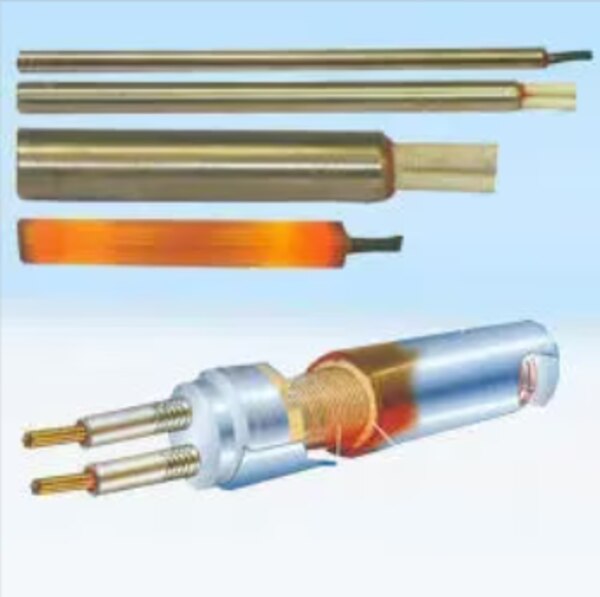
2. Insert the heater fully into the bore. Check that the resistance element, metal sheath, insulation and leads are undamaged, then energise the heater.
3. Electrical resistance produces heat in the element. Heat conducts through the sheath into the bolt, raising its temperature and extending the heated length. Monitor the specified temperature point until the bolt reaches the procedure’s target condition and stabilises.
4. Run the nut down using the specified method and order while the bolt remains hot. Do not replace that instruction with a generic torque value; temperature alone does not prove preload.
5. Isolate the heater, disconnect it and remove it only after the nut is seated. The bolt then cools while restrained by the nut, and contraction creates tensile load in the joint.
Record the heater identification, bolt location, temperature readings, nut-running action, removal time and final inspection. A stuck element, incomplete insertion, premature tightening or early removal can leave a tight-looking nut with uneven clamp load.
How heat changes bolt elongation and heater fit
Thermal expansion follows ΔL = αLΔT: elongation equals the bolt alloy’s expansion coefficient multiplied by heated length and temperature rise. A longer heated zone therefore produces more extension at the same temperature.
Final clamp load also depends on bolt and joint stiffness, thread and nut friction, embedding, elastic modulus, nut rotation and cooling behaviour, so temperature alone does not prove preload.
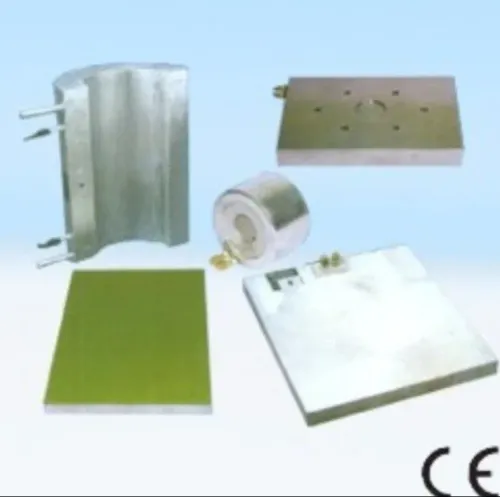
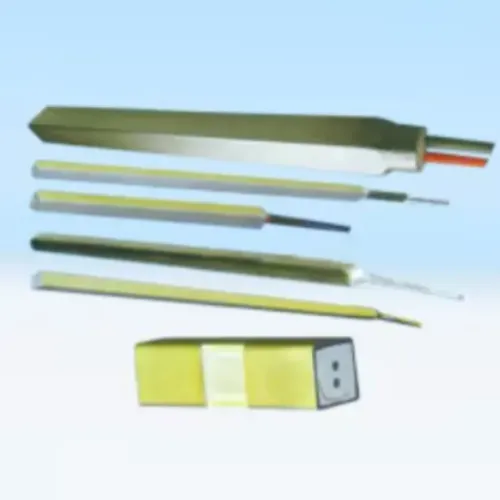
Heater selection must match more than bolt diameter.
| Design | Fit and access requirement | Main risk |
|---|---|---|
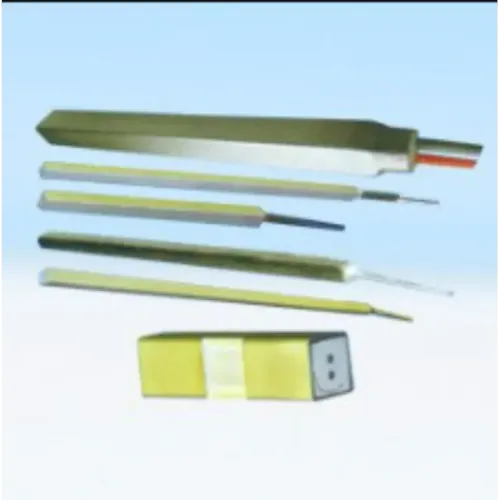
| Tubular element | Axial bore diameter and depth, full heated length, head shape and insertion clearance | A forced fit overheats the bore; a loose fit transfers heat poorly |
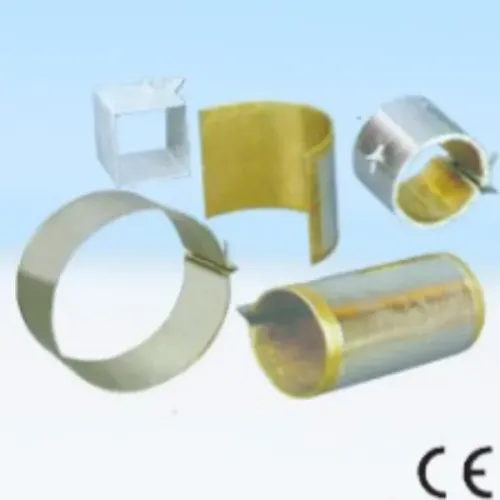
| Split heater | External access around the bolt and clearance from the nut, flange and adjacent equipment | Uneven contact creates a temperature gradient |
| Cartridge heater | Correct bore diameter, depth, terminal clearance and supported insertion | A short cartridge expands too little bolt length while concentrating heat |
| Approved hollow-bolt arrangement | Manufacturer-approved bolt geometry and element dimensions | An unapproved bore can weaken the bolt or prevent reliable heat transfer |
Specify the bolt diameter, axial bore diameter and depth, heated length, alloy, head shape, access clearance, heated-zone position and accepted design. Control the nut and surrounding flange, vessel, gasket or seal because heat sinking changes the temperature distribution and repeatability. A heater suitable for a free bolt may need more wattage in a conductive flange.
For bolt heaters for maintenance, keep exposed-bolt insulation away from terminals and hot surfaces. Inadequate insertion, bore scale or flange heat loss can leave too little bolt length expanded while creating local overheating.
How should you set temperature and electrical controls?
Set the temperature limit from the joint’s most temperature-sensitive component, not the heater’s maximum rating. Check the bolt alloy and coating, lubricant, gasket, seal, bearing, nearby instrumentation and process equipment. Overheating high-strength fasteners can reduce their mechanical properties; polymers, nonmetallic gaskets and coatings can fail below the steel bolt’s limit.
Define these controls before energising:
- Specify the ramp rate, soak period, maximum temperature and exact measurement point.
- Use a calibrated thermocouple, or a qualified infrared method with corrected emissivity. Bright or oxidised steel can give a false infrared reading, and surface temperature can lag behind the heated core.
- Request voltage, current, wattage, element configuration and control method. Calculate input power with P = V × I; confirm supply voltage, phase and frequency.
- Size protective devices, earthing, connectors and cables for the duty. Check insulation resistance, keep cables away from hot metal and walkways, and decide whether you need a controller, thermocouple input or temperature indicator.
- Do not use a plug adaptor to correct a mismatched element configuration or supply.
For industrial electrical bolt heaters in Pune, compare measurement methods before selecting controls:
| Method | Strength | Main check |
|---|---|---|
| Thermocouple | Direct contact reading | Confirm calibration and secure placement |
| Infrared | Non-contact measurement | Correct emissivity and avoid reflective surfaces |
| Temperature indicator | Displays the measured value | Verify sensor compatibility and alarm limits |
When is a bolt heater better—or worse—than other methods?
A bolt heater is better when a joint has axial access, a correctly bored or hollow bolt, and no room to place a tool around the nut. It elongates the bolt without turning the nut, but bolt heaters for maintenance require sound bores, controlled heat-up, and time for cooling.
| Option | Main advantage | Access and control limits |
|---|---|---|
| Electric bolt heater | Internal, controlled heat path for bolt elongation | Needs full axial insertion; bore condition, heat loss and cool-down affect repeatability |
| Hydraulic tensioning | Gives more direct axial load control | Needs puller access, overhead clearance and space around the bolt |
| Hydraulic or pneumatic torque tool | Fast nut running without heating the bolt | Depends on friction, reaction space and a calibrated torque procedure |
| Induction heating | Heats quickly without inserting an element | Needs coil access, dedicated controls and trained operators |
| Oxy-fuel heating | Flexible around varied bolt shapes | Adds open flame, fumes, hot-work controls and local-overheating risk |
Choose another method when the joint has heat-sensitive seals, combustible deposits, nearby instrumentation, restricted access, insufficient electrical capacity or geometry that cannot accept the heater. Hydraulic tensioning or ultrasonic elongation measurement suits critical joints when temperature alone cannot establish load.
Do not heat the nut or flange instead. Heat can damage seals, bearings, coatings or process equipment, while nut expansion can disrupt the intended clamp-load sequence. For a critical pressure-boundary joint, follow the approved load-control method and consult ASME PCC-1 alongside the equipment owner’s temperature and load limits.
What should a Pune maintenance work pack specify?
This is how bolt heaters for work industrial maintenance in Pune become a usable purchase specification: identify the equipment, joint drawing, bolt material and diameter, bore depth, heated length, bolt-hole condition, flange heat loss, and required bolt elongation or load.
- Record the area classification, permit type, isolation state, combustible-residue check, ventilation and burn-barrier plan. An ordinary heater is not automatically approved for a classified hazardous area.
- State supply voltage, phase, frequency, socket or connector, cable length, earthing arrangement, duty cycle, and required IP or enclosure protection.
- Name the thermocouple or temperature indicator, calibration status, ramp and soak limits, tightening order, nut-running method, inspection record and acceptance criteria.
| Work-pack field | What to compare | Failure if omitted |
|---|---|---|
| Equipment geometry | Bore dimensions, heated length, bolt alloy, joint drawing and flange heat loss | Poor fit or uneven elongation |
| Electrical data | Voltage, phase, frequency, current, connector, cable and earthing | A plug adaptor cannot fix a mismatched element |
| Control and safety | Temperature instrument, approval, IP protection and area limits | Unsafe operation or unreliable temperature |
Industrial electrical bolt heaters in Pune may need configuration around an existing flange, vessel, chemical solution or plastics-machine joint, not merely a nominal diameter. Saket Enterprises 08048052723 belongs in a supplier comparison when it provides these application-specific details in writing.
Compare every submission with the maintenance procedure, including its safety limitations; “power is customer-specific” is not a complete specification.
Related product
 | Bolt Heaters Product Details: Power As per customer requirement Type Cermaic Heater, Electric Heater, Fan Heater Fostered with a team of highly qualified... View product → |
Frequently asked questions
What happens during a bolt-heater operation?
The crew isolates the equipment, fits the heater inside the bolt, applies controlled electrical heat, checks elongation, removes the heater and inspects the joint after cooling.
How does heat change bolt elongation and heater fit?
Heating expands the bolt length while the nut and joint remain restrained. The heater must fit correctly, and the crew must measure the specified elongation before tightening or releasing the load.
How should you set temperature and electrical controls?
Use the equipment owner’s bolting procedure for target temperature, heating rate, hold time, voltage and current. Do not replace those values with a generic torque chart.
When is a bolt heater better or worse than other methods?
A bolt heater suits large, high-load flanged joints where controlled elongation matters. It is a poor choice when heater access is blocked, electrical supply is unsuitable or the joint procedure requires hydraulic tensioning.
What should a Pune maintenance work pack specify?
Specify the joint drawing, bolt size and material, target elongation, heater dimensions, electrical supply, isolation boundaries, lifting and access controls, measurement method, cooling requirements and inspection sign-off.
Keywords