
Industrial heating is a critical part of manufacturing processes where controlled heat is required for moulding, sealing, drying, melting, processing, packaging, or maintaining material temperatures. Choosing suitable Industrial Electrical Heaters can improve temperature consistency, process stability, equipment performance, and energy utilization.
Manufacturing businesses in Pune and other industrial regions of Maharashtra use different heater designs depending on the equipment, operating temperature, installation space, and heat-transfer requirement. A heater that works efficiently on an extrusion barrel may not be suitable for a mould, die, tank, or compact machine component.
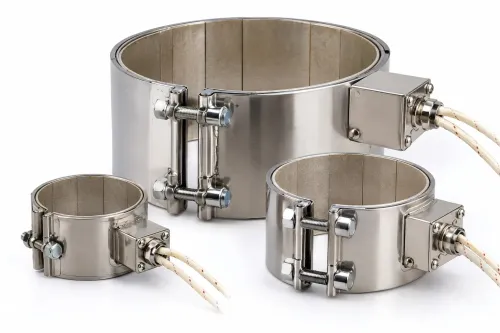
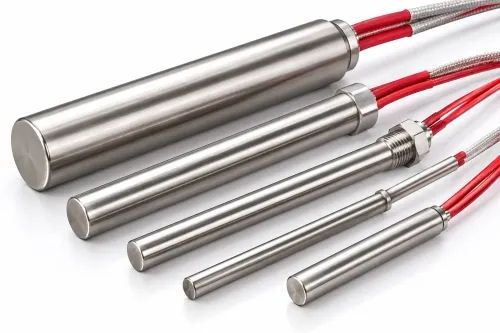
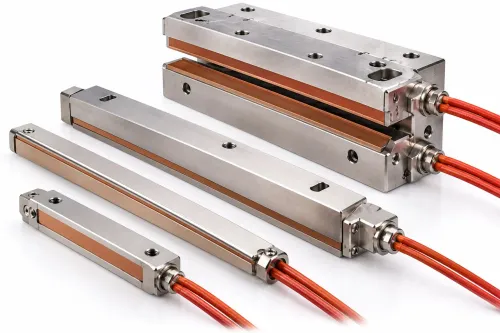
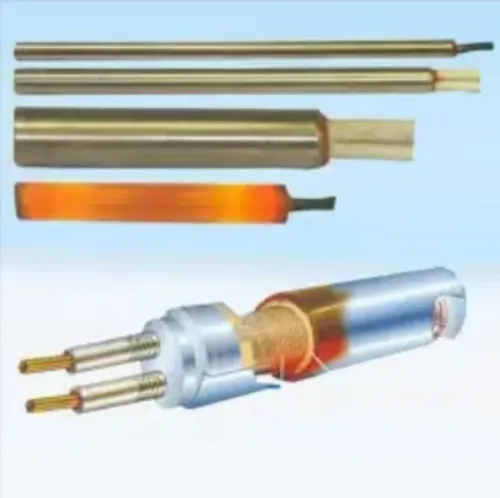
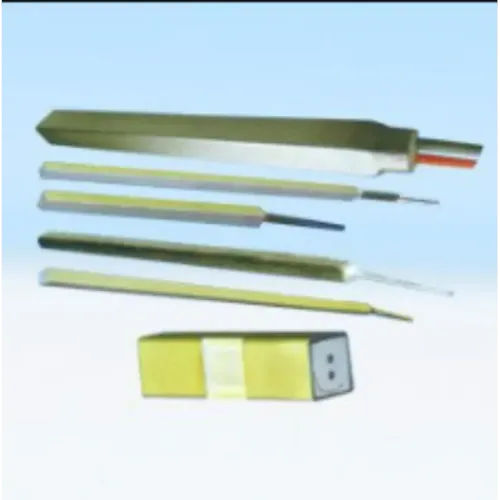
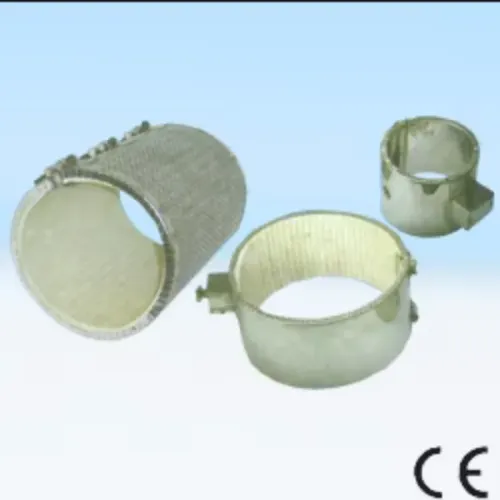
Industrial electrical heaters convert electrical energy into controlled thermal energy. Their construction varies according to the intended application. Common options include band heaters, cartridge heaters, and cast heaters.
Before selecting a heater, consider the following factors:
- Required operating temperature
- Wattage and voltage
- Diameter, length, and physical dimensions
- Surface or component being heated
- Heat-up time requirements
- Continuous or intermittent operating cycle
- Environmental conditions
- Available installation space
- Temperature-control arrangement
Another important consideration is heat transfer. Good contact between the heater and the component generally supports efficient thermal transfer. Incorrect dimensions, poor installation, or unsuitable watt density may create uneven heating and shorten heater life.
For example, band heaters are commonly selected where cylindrical surfaces need heating. Cartridge heaters are inserted into drilled holes and are useful where concentrated heat is needed within a component. Aluminium cast heaters can provide a combination of heating and good heat distribution for certain industrial applications.
Businesses should therefore avoid selecting heaters based only on physical appearance or price. Two heaters with similar dimensions can perform differently if their wattage, internal construction, terminal arrangement, insulation, or operating conditions are different.
Pune has a substantial engineering and manufacturing ecosystem, including plastic processing, packaging, automotive components, machinery, and allied industries. These applications often require heaters designed around actual machine conditions rather than a generic specification.
Saket Enterprises serves industrial heating requirements where heater specifications can be considered according to application needs. Providing accurate details about the equipment, temperature, dimensions, electrical supply, and working environment helps identify a more suitable heating configuration.
The right industrial heater is ultimately one that matches the thermal requirement of the process. Careful specification at the selection stage can support uniform heating, predictable operation, and better compatibility with the equipment in which the heater will be installed.
Keywords